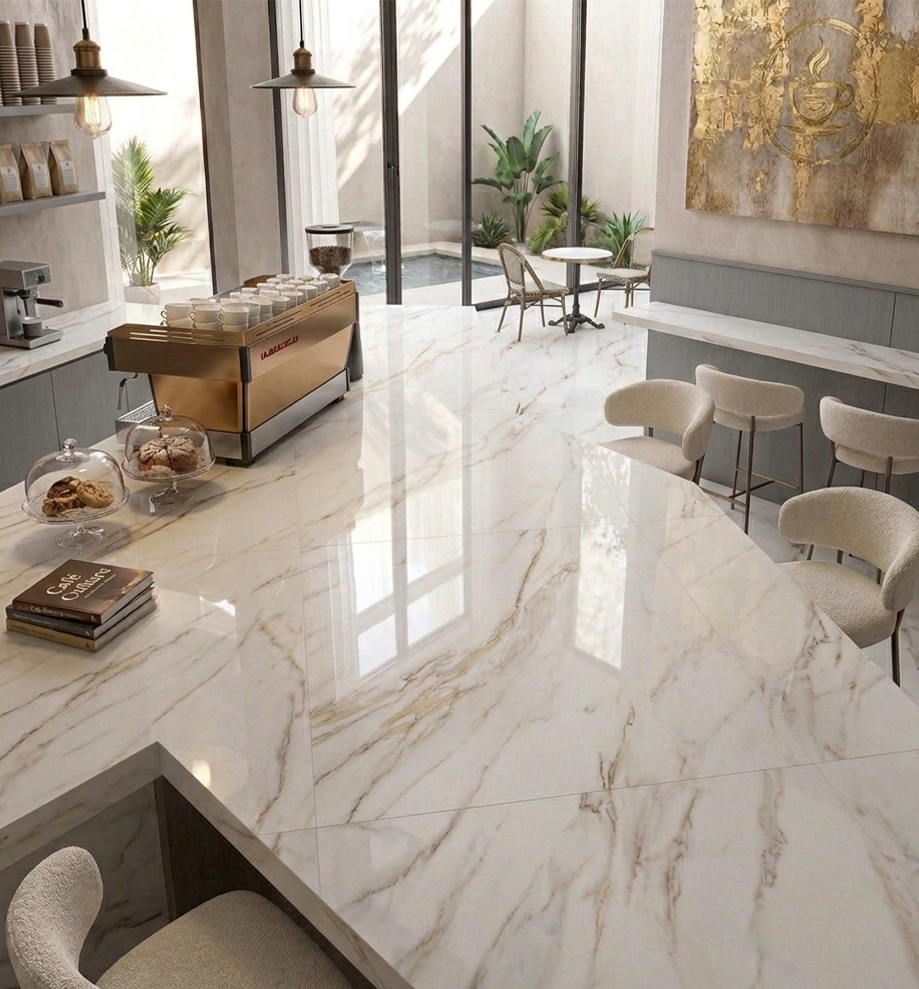
The interior design world is witnessing a dramatic shift. Walk into any high-end showroom or browse architectural portfolios in 2026, and one trend stands out: porcelain slabs are increasingly replacing natural stone in luxury kitchens, bathrooms, and wall cladding. This change goes far beyond cost savings it reflects a fundamental rethinking of what modern luxury surfaces must deliver.
The Material Revolution: Understanding the Shift
Natural stone like marble, granite, and quartzite has long been the gold standard for prestige interiors, priced for its unique veining and organic beauty. Yet designers are discovering that today’s porcelain slabs replicate this visual drama while overcoming many traditional limitations.
Porcelain slabs now deliver the rich aesthetics of natural stone alongside superior heat resistance, durability, and minimal maintenance qualities that make them highly attractive for both residential and commercial projects.
What Makes Porcelain Slabs Different?
Porcelain slabs are large-format tiles fired at extremely high temperatures, resulting in a virtually non-porous, engineered surface. Unlike natural stone formed over millennia with natural vulnerabilities, porcelain is manufactured for consistent, reliable performance. These surfaces resist staining, require no sealing, and maintain their appearance for decades with virtually zero maintenance.
Cost Savings Without Compromising Aesthetics
Even in luxury projects, budget and lifecycle costs matter. Natural stone carries high expenses for the material and for ongoing sealing, repairs, and specialized care. Porcelain slabs offer compelling value across the entire project lifespan.
- Initial Investment Advantages: Porcelain typically costs less per square foot than premium natural stone. Stable pricing and consistent availability from porcelain tiles manufacturers help designers and clients plan budgets accurately without material shortages or price fluctuations.
- Long-Term Maintenance Savings: Natural stone demands periodic sealing and careful cleaning to prevent staining and etching. Porcelain eliminates these recurring costs and inconveniences entirely.
Durability That Outperforms Natural Materials
In high-use areas like kitchens and commercial spaces, performance is as important as looks.
- Superior Stain and Scratch Resistance: Porcelain withstands acidic spills (lemon, wine, coffee) and direct heat from hot pans without damage challenges that easily harm marble and limestone.
- Consistent Quality: While natural stone varies with hidden fissures and inconsistent density, porcelain delivers uniform strength and appearance across every slab.
- Weather and UV Resistance: Porcelain maintains color and structural integrity under sun exposure and freeze-thaw cycles, making it ideal for outdoor applications where natural stone may fade or deteriorate.
This ease of maintenance resonates deeply with Indian homemakers who value cleanliness but lack time for elaborate cleaning rituals. The resilient, low-maintenance character makes them ideal for busy families, working professionals, and multi-generational households.
Design Flexibility: Unlimited Creative Possibilities
Advanced digital printing technology gives porcelain slabs unmatched versatility.
- Replicating Natural Beauty: Designers can achieve Calacatta gold, Persian blue, dramatic bookmatched veining, and exotic marble looks consistently—without depending on rare natural stone availability.
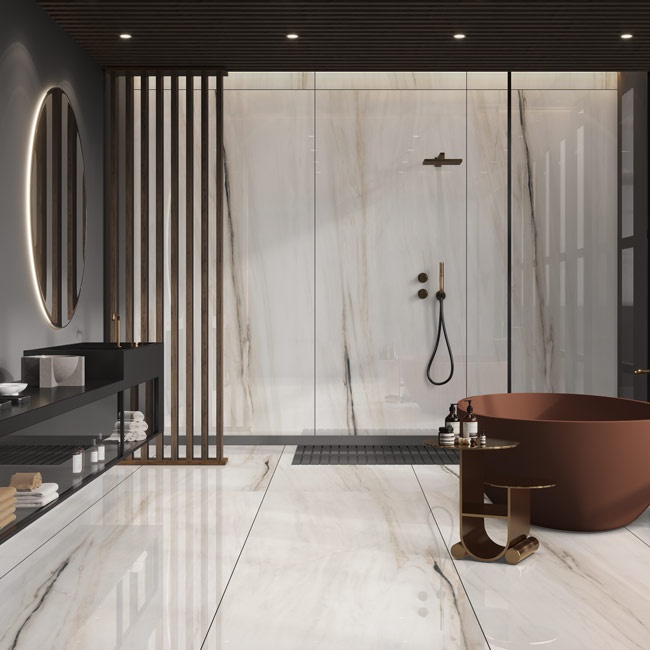
- Seamless Large Format Applications: Large porcelain slabs create minimal grout lines, enabling dramatic floor-to-ceiling cladding, waterfall countertops, and cohesive designs across floors, walls, and countertops.
- Custom Options: Beyond stone looks, porcelain offers concrete effects, wood grains, geometric patterns, and metallic finishes—creative freedom natural stone cannot match.
By forging such collaborations, designers can access innovative solutions that drive sustainable success.
Installation Advantages: Simpler, Faster, More Reliable
- Consistent Sizing and Thickness: Precise, standardized dimensions reduce waste and speed up installation compared to variable natural stone.
- Lighter Weight: Significantly lighter than stone slabs, porcelain is easier and safer to handle, especially for wall cladding and vertical applications.
- No Sealing Required: Installation is simpler, with no immediate or ongoing sealing needed.
Addressing Common Concerns
- “Porcelain Looks Artificial”: Modern digital printing creates subtle variations, depth, and random veining that make premium porcelain nearly indistinguishable from natural stone.
- “Natural Stone Has More Prestige”: Today’s luxury means intelligent performance. Many Indian tiles exporters now supply porcelain slabs that meet the highest global standards for high-end projects.
- “Limited Finish Options”: Porcelain is available in polished, honed, leathered, matte, and textured finishes—rivaling or exceeding natural stone options.
Making the Decision: When Porcelain Makes Sense?
Porcelain slabs are the smarter choice for:
- High-traffic commercial areas.
- Busy kitchens needing low maintenance
- Moisture-heavy bathrooms
- Large-scale projects requiring material consistency
- Outdoor applications demanding weather resistance
- Budget-conscious luxury seeking premium aesthetics
The rise of porcelain slabs does not end the use of natural stone but expands designers’ options. As technology advances, the line between engineered and natural surfaces continues to blur. What matters most is selecting materials that deliver beauty, performance, and practicality for today’s demanding projects.
The revolution is already here and it’s durable, low-maintenance, and beautifully engineered.